
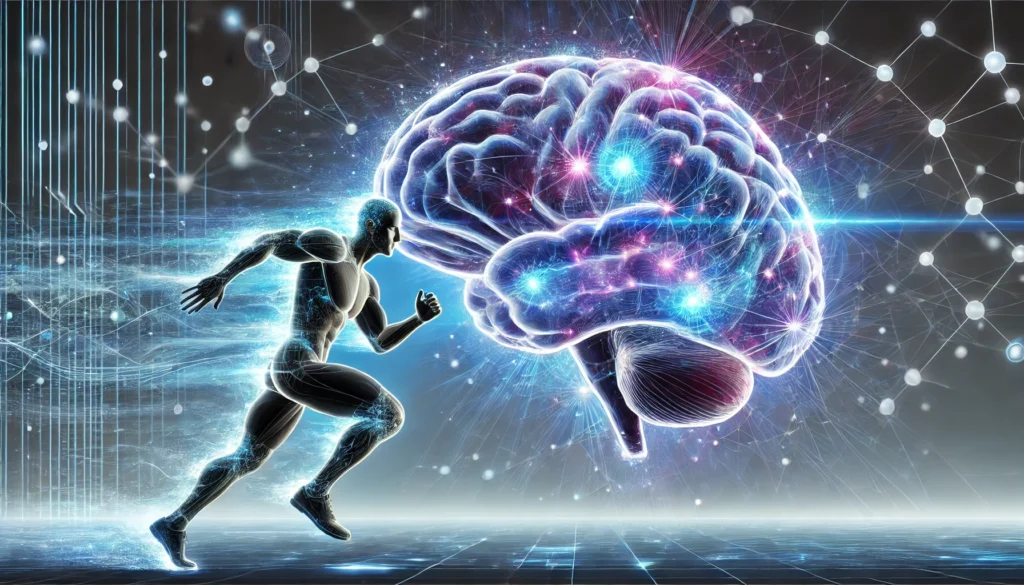
Boosting Brainpower: How Exercise Enhances Long-Term Potentiation 🏃♂️⚡
Welcome to another enlightening piece from Mindful Diabetes Inc. as part of our Pathways to Wellness series! Today, we explore the fascinating relationship between exercise and long-term potentiation (LTP)—a critical process for memory, learning, and overall cognitive function.
Long-term potentiation is a neural mechanism that strengthens synaptic connections, making it easier for our brain to store and retrieve information. Exercise may help strengthen this learning process, which is one reason regular movement can support memory, focus, and long-term brain health.
As we continue our journey toward holistic wellness, let’s uncover the ways physical activity can fortify neural pathways, improve learning and memory, and even reduce the risk of neurodegenerative diseases like Alzheimer’s.
Support prevention education
Your gift supports Mindful Diabetes education, tools, and prevention-focused community work.
Understanding Long-Term Potentiation (LTP) 🧠⚡
Long Term Potentiation is one of the fundamental mechanisms of brain plasticity, but what exactly does it do? Let’s break it down.
🔬 What is Long-Term Potentiation?
- Long Term Potentiation is a process where synapses (connections between neurons) become stronger with repeated stimulation.
- This strengthening allows for more efficient communication between neurons, which is critical for memory formation and learning.
- It primarily occurs in the hippocampus, a brain region essential for converting short-term memories into long-term ones.
- The more frequently a neural pathway is activated, the stronger the connection becomes—this is often described as "neurons that fire together, wire together."
🧪 The Role of Neurotransmitters in Long Term Potentiation
- Long Term Potentiation is largely dependent on glutamate, an excitatory neurotransmitter that binds to NMDA and AMPA receptors on neurons.
- Calcium influx into neurons triggers intracellular pathways that enhance synaptic strength.
- Over time, new receptors are added, and neuronal structures change, leading to more permanent learning and memory storage.
🧠 Why Long Term Potentiation is Important
- Stronger synaptic connections improve cognitive function, problem-solving skills, and information retention.
- Long Term Potentiation is critical for skill acquisition, language learning, and adaptation to new environments.
- Impairments in Long Term Potentiation have been linked to Alzheimer’s disease, depression, and age-related cognitive decline.
Free wellness tools
Choose a tool for your next healthy step
Explore AI-guided learning, daily habit tracking, and a playful nutrition game built around Mindful Diabetes prevention education.
Daily habits app
Want one simple place to practice the habits in this article? Memovela is available on the App Store and on the web.

How Exercise Enhances Long Term Potentiation 🏃♀️💡
Physical activity is one of the most effective ways to enhance Long Term Potentiation. But how does it work?
- Exercise increases blood flow to the brain, delivering more oxygen and nutrients essential for neuronal health.
- It triggers the release of brain-derived neurotrophic factor (BDNF), which supports synaptic growth and plasticity.
- Exercise reduces inflammation and oxidative stress, both of which can negatively impact Long Term Potentiation and cognitive function.
💡 The Role of BDNF in Synaptic Strength
- BDNF is often called "fertilizer for the brain" because it encourages neuronal survival and synapse formation.
- Higher BDNF levels are linked to improved memory, faster learning, and greater cognitive resilience.
- Studies have shown that BDNF levels increase significantly after aerobic exercise, leading to enhanced Long Term Potentiation.
🏋️♂️ Strength Training vs. Aerobic Exercise
- Aerobic Exercise (running, swimming, cycling): Boosts BDNF, increases hippocampal volume, and enhances memory retention.
- Strength Training (weightlifting, resistance exercises): Improves executive function and synaptic plasticity.
- High-Intensity Interval Training (HIIT): Maximizes both BDNF release and neurogenesis (growth of new brain cells).
Exercise, Long Term Potentiation, and Disease Prevention 🏃♂️🚑
- Research indicates that sedentary lifestyles contribute to neural atrophy and weakened Long Term Potentiation.
- Regular physical activity protects against neurodegenerative diseases like Alzheimer’s and Parkinson’s.
- Exercise stimulates neurogenesis, particularly in the hippocampus, delaying age-related cognitive decline.
💊 Exercise as "Medicine" for Brain Health
- Studies suggest that physical activity is as effective as medication in preventing memory loss.
- Exercise reduces amyloid-beta plaques, a hallmark of Alzheimer’s disease.
- A daily 30-minute workout can significantly enhance synaptic plasticity, improving overall cognitive resilience.
🧬 Genetic Influence and Lifestyle Choices
- Genetics play a role in determining baseline Long Term Potentiation levels, but lifestyle choices can enhance or diminish cognitive function.
- Individuals with a family history of dementia can benefit greatly from regular exercise.
- Healthy diets, stress management, and social engagement also contribute to stronger synaptic connections.
Conclusion: Moving Forward with a Stronger Brain 🏆🧠
Long Term Potentiation is the foundation of learning, memory, and overall cognitive function, and exercise serves as one of the most powerful tools for enhancing it. By engaging in regular physical activity, we can strengthen neural pathways, boost memory retention, and protect against cognitive decline.
💡 Key Takeaways
- Long Term Potentiation is essential for memory formation and learning, and it can be strengthened through repeated neural activation.
- Exercise enhances Long Term Potentiation by increasing BDNF, improving blood flow, and reducing inflammation.
- Both aerobic and resistance exercises contribute to better brain health and cognitive longevity.
- Regular exercise can lower the risk of neurodegenerative diseases, making it an essential habit for lifelong mental sharpness.
🚀 Actionable Steps for Better Brain Health
- Engage in at least 150 minutes of moderate aerobic exercise per week (walking, jogging, cycling).
- Incorporate resistance training at least twice a week to enhance cognitive resilience.
- Prioritize activities that challenge both the body and the brain, like dance, yoga, or martial arts.
- Adopt a brain-healthy diet rich in omega-3s, antioxidants, and whole foods to support neural function.
- Stay socially engaged and mentally stimulated—learning new skills strengthens synaptic connections.
By integrating exercise into daily life, we can harness the power of Long Term Potentiation for improved cognitive function and long-term brain health. Let’s make movement a cornerstone of our wellness journey and keep our minds as strong as our bodies!
📖 Continue Exploring 🌐
Don’t stop here! Dive deeper into the fascinating connection between mental wellness and physical health in our upcoming blogs. There’s always more to discover and explore.
💌 Stay Informed and Inspired 📬
Subscribe to our newsletter for the latest insights, tips, and updates on the mindful path to better health. Together, we’ll continue to unlock the secrets of a balanced and vibrant life.
Thank you for your continued support and readership. Here’s to a healthier, happier you! 🌈💚
Interested in staying up to date on the latest from Mindful Diabetes and our Type 2 & Type 3 Diabetes Guide? Subscribe to our newsletter!
Facebook Instagram Youtube LinkedinCheck out our Shop Over on Tik Tok!⬇️