
From Lab Bench to Marathon Finish Line: Running Chicago for Diabetes Research 🧬🏅
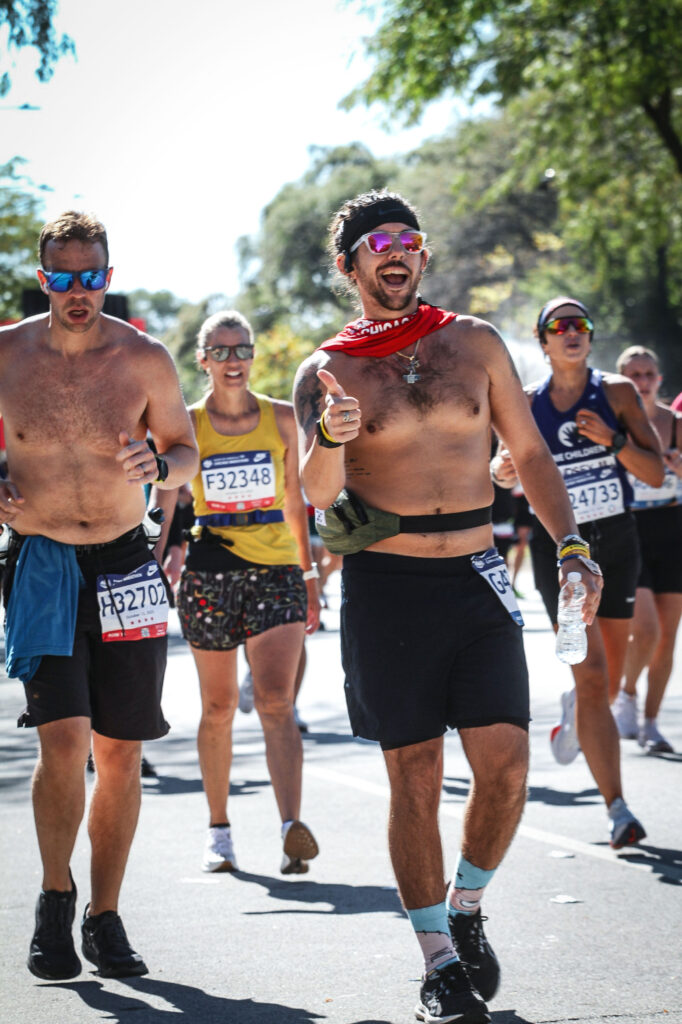
Welcome to Mindful Diabetes Inc.’s Pathways to Wellness series, where personal stories meet scientific insight to illuminate the many ways we can protect our metabolic and cognitive health. Today’s post explores a journey that is both deeply personal and scientifically grounded: the Chicago Marathon Diabetes experience—running the 2025 Chicago Marathon with purpose, finishing in 4:35, and raising $2,525 for the Chicago Diabetes Project.
For me, this marathon became more than a test of endurance. It became a living experiment in resilience—an opportunity to feel, mile by mile, the same physiological systems I’ve spent years studying in the lab. Every heartbeat, breath, and stride reflected the biology of adaptation: muscles increasing mitochondrial density, the brain regulating effort through shifting neurotransmitters, and the body refining glucose uptake in real time. What I knew from scientific papers suddenly unfolded as lived experience on Chicago’s streets.

But there was emotion stitched into every part of the training, too. With each long run, I carried the memory of my grandmother’s struggle with dementia and the countless families affected by Type 2 diabetes—conditions linked by inflammation, vascular changes, and insulin resistance that impact both body and brain. The marathon became a way to honor that story and to support the research that gives families hope.
As we move through this article, we’ll explore the intersection of endurance physiology, metabolic health, and purpose-driven movement. This isn’t just a race recap—it’s a deeper reflection on how running can become advocacy, how science can become action, and how one individual’s miles can contribute to a broader mission of preventing diabetes progression and protecting cognitive function. Whether you're fascinated by human biology, dedicated to diabetes awareness, or inspired by stories of perseverance, this journey shows how powerful it is when purpose and physiology move in the same direction.
Support prevention education
Your gift supports Mindful Diabetes education, tools, and prevention-focused community work.
Why This Marathon Mattered — Purpose, Neuroscience & Metabolism
The Purpose Behind the Miles: Diabetes, Cognition & Scientific Motivation
Running for the Chicago Diabetes Project was far more than an athletic goal—it was a mission rooted in science and family history. Type 2 diabetes increases the risk of cognitive decline through mechanisms involving chronic inflammation, insulin resistance in the brain, and microvascular changes; these are core pathways linking diabetes to Alzheimer’s disease (often termed “Type 3 diabetes” in research circles). Supporting a project dedicated to islet-cell transplantation aligned directly with the scientific work I began during my PhD in beta-cell regeneration. This connection deepened every mile, reminding me that endurance effort mirrors cellular effort: adaptation, stress response, and persistence.
Training became a living analogy for metabolic flexibility. Just as skeletal muscle increases mitochondrial density with repeated stress, glucose-handling systems adapt with consistent movement. These principles mirror discussions in our article on metabolic fitness. Every mile became a chance to embody what we teach.
Scientific Foundations of Marathon Training
Marathon training stimulates profound physiological changes—improvements often measurable down to molecular pathways. Endurance running upregulates AMPK (adenosine monophosphate–activated protein kinase), a key regulator of energy balance, improving insulin sensitivity and fatty acid oxidation. It also increases VO₂ max by strengthening cardiac output and enhancing oxygen utilization in muscles. These adaptations reduce long-term metabolic disease risk.
The gradual build-up of long runs also teaches the body to spare glycogen, shifting toward more efficient use of fat metabolism—critical for late-race performance. Hydration and electrolyte strategies help maintain nerve conduction, muscle contraction efficiency, and cardiovascular stability, echoing recommendations from our hydration guide. Training wasn’t just physical—it was a scientific demonstration of how human physiology rises to challenge.

Free wellness tools
Choose a tool for your next healthy step
Explore AI-guided learning, daily habit tracking, and a playful nutrition game built around Mindful Diabetes prevention education.
Daily habits app
Want one simple place to practice the habits in this article? Memovela is available on the App Store and on the web.

Race Day Energy — Neurobiology of Endurance & Chicago’s Electric Atmosphere
The Neuroscience of Pushing Through Hard Miles
Sustaining pace through 26.2 miles isn’t just about leg strength—it’s about neural endurance. Long-distance running activates the brain’s prefrontal cortex, which plays a central role in decision-making, emotional control, and sustained attention. During fatigue, the brain reallocates glucose and oxygen to maintain motor coordination, and the perception of effort increases due to rising adenosine levels. Mindfulness techniques—like breath anchoring, body scanning, and cognitive reframing—help regulate the brain’s response to rising effort.
These techniques parallel those used in diabetes stress management, discussed further in our article on stress and blood sugar. Mental training is physiological training.

Chicago’s Community Power: Social Support as a Biological Signal
The Chicago Marathon course is famous for its unmatched crowd support—29 neighborhoods, each with its own cultural energy and encouragement. Research in social neuroscience shows that perceived social support reduces cortisol levels and increases oxytocin, lowering stress and enhancing endurance performance. Thousands of cheering voices shaped pacing, mood, and resilience.
Crossing the finish line at 4:35 was not just a physical milestone—it was a neurobiological triumph. The emotional surge during the final stretch reflected a spike in dopamine and endorphins, the brain’s natural reward chemicals that reinforce perseverance. Community support enhances both metabolic and psychological endurance, a concept explored in our post on community health.
Running for the Chicago Diabetes Project — The Science Behind the Mission
Why $2,525 Matters: Funding Translational Science
Every donation fuels research that bridges lab discoveries to real-world therapies. The Chicago Diabetes Project advances islet-cell transplantation, a process involving isolating beta cells from donors and transplanting them into people with Type 1 diabetes. This therapy relies on immunomodulation, angiogenesis support, and protection from autoimmune attack—fields experiencing rapid innovation.
During my PhD work in beta-cell regeneration, I saw firsthand how small grants ignite scientific breakthroughs. The $2,525 raised supports early-stage studies—the kind that test new biomaterials, improve cell encapsulation, or refine immune-tolerance strategies. This mirrors topics covered in our research innovation article.
Movement as Advocacy: Using Running to Teach Science
Sharing the connection between running, diabetes, metabolism, and cognition transformed the marathon into an educational platform. Movement highlights metabolic processes in real time: glucose uptake into muscles, lactate shuttling to the liver, and increased insulin-independent glucose transport. For individuals at risk of diabetes or dementia, these processes are life-changing.
By linking personal training updates with scientific explanations, the marathon became an accessible way to teach topics like insulin resistance, chronic inflammation, and brain health—themes central to our walking and wellness article. Combining physical action with education helps bridge the gap between research and public understanding.
Lessons Learned — Physiology, Psychology & the Long-Run Mindset
The Biology of Grit: Stress Adaptation & Hormesis
One of the most valuable lessons from marathon training is the concept of hormesis: small, repeated stressors strengthening the system. Long runs elevate cortisol, trigger oxidative stress, and challenge cardiovascular output—but with proper recovery, the body adapts. Antioxidant defenses increase, mitochondrial networks expand, and muscles become more fatigue-resistant.
This process parallels how the body adapts to improved glucose regulation through consistent lifestyle changes. The interplay between stress and adaptation is a core concept explored in our resilience article. Grit is biological.

Celebrating the Body’s Cognitive & Metabolic Intelligence
Long-distance running enhances brain health by increasing BDNF (brain-derived neurotrophic factor), which supports neuroplasticity and memory. It also improves cerebral blood flow and reduces neuroinflammation—processes directly relevant to Alzheimer’s risk in those with Type 2 diabetes.
Finishing the race allowed me to appreciate the brain–body dialogue at the heart of endurance. The 4:35 finish time symbolized an internal symphony of systems: heart, lungs, muscles, neurons, electrolytes, and mindset working in harmony. As explored in our metabolic health article, wellness is the integration of biology, behavior, and belief.

🌈 Conclusion
The 2025 Chicago Marathon was a milestone of physiology, purpose, and personal growth. Running 26.2 miles, finishing in 4:35, and raising $2,525 for the Chicago Diabetes Project created a powerful intersection of science and service. Through Mindful Diabetes Inc.’s Pathways to Wellness series, we continue translating research into action—reminding readers that every step, literal or metaphorical, brings us closer to a healthier future.
📖 Continue Exploring 🌐
Don’t stop here! Dive deeper into the fascinating connection between mental wellness and physical health in our upcoming blogs. There’s always more to discover and explore.
💌 Stay Informed and Inspired 📬
Subscribe to our newsletter for the latest insights, tips, and updates on the mindful path to better health. Together, we’ll continue to unlock the secrets of a balanced and vibrant life.
Thank you for your continued support and readership. Here’s to a healthier, happier you! 🌈💚
Interested in staying up to date on the latest from Mindful Diabetes and our Type 2 & Type 3 Diabetes Guide? Subscribe to our newsletter!
Facebook Instagram Youtube LinkedinCheck out our Shop Over on Tik Tok!⬇️