
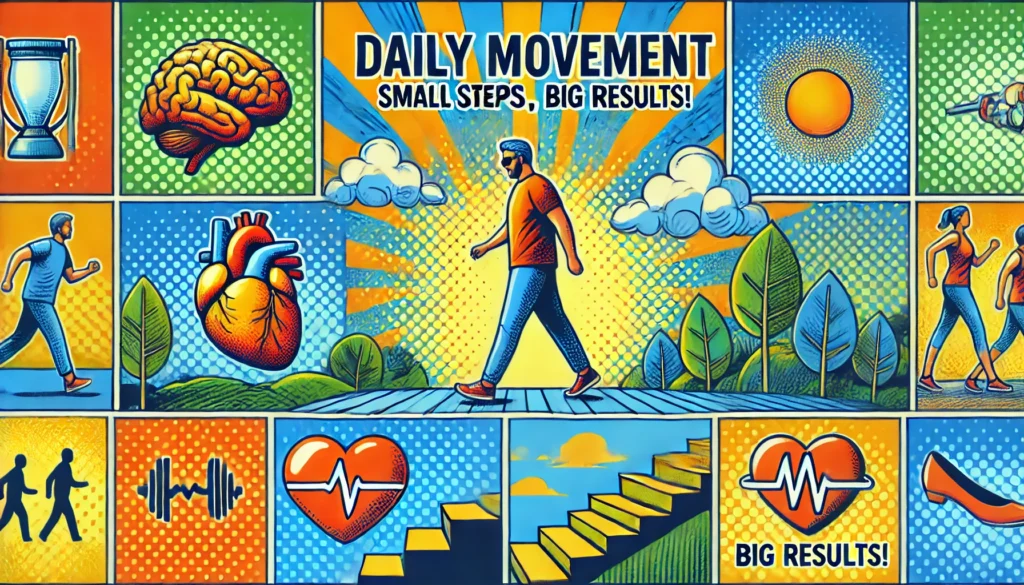
In managing diabetes, we often focus on diet and medication, but the power of daily movement is equally significant. Engaging in simple, low-impact activities like walking, stretching, and light bodyweight exercises can help maintain stable blood sugar levels, improve mood, and support cognitive health. The connection between regular physical activity and effective diabetes management is profound, impacting both physical and mental well-being.
At Mindful Diabetes Inc., we explore practical approaches to diabetes care through our "Pathways to Wellness" series, which emphasizes a balanced lifestyle. This blog post highlights the benefits of low-intensity exercises for diabetes management and cognitive health. By incorporating manageable daily movement, individuals with diabetes can not only achieve blood sugar stability but also reduce the risk of cognitive decline, a growing concern for those managing diabetes.
Join us as we explore how small steps, integrated consistently, can lead to significant health improvements. From reducing stress to enhancing insulin sensitivity, daily movement is a simple yet powerful tool for holistic diabetes management.
Support prevention education
Your gift supports Mindful Diabetes education, tools, and prevention-focused community work.
The Power of Movement for Blood Sugar Control
Regular, low-impact physical activities, such as walking and stretching, play a key role in managing diabetes and promoting overall health.
Walking: An Easy, Effective Option
- Walking is a gentle way to engage muscles, improve blood flow, and enhance glucose uptake, making it particularly beneficial for those with diabetes.
- Research indicates that moderate-intensity walking after meals can reduce post-meal blood glucose spikes, which is essential for managing diabetes effectively.
- Walking outdoors or in nature can boost mood and mental clarity, both of which are beneficial for maintaining motivation in diabetes management.
- Committing to 20-30 minutes of walking per day can contribute significantly to improving insulin sensitivity and blood sugar stability over time.
Stretching and Flexibility for Stress Relief
- Stretching relieves muscle tension, lowers cortisol levels, and provides a mental break, which is crucial for managing stress-related blood sugar fluctuations.
- It helps prevent stiffness and promotes joint health, making it easier to engage in other physical activities without discomfort.
- Simple stretches can be performed anytime, especially after prolonged periods of sitting, which can improve circulation and glucose utilization.
- For added benefits, stretching exercises can be paired with breathing techniques to promote relaxation and reduce stress—a significant factor in blood sugar management.
Free wellness tools
Choose a tool for your next healthy step
Explore AI-guided learning, daily habit tracking, and a playful nutrition game built around Mindful Diabetes prevention education.
Daily habits app
Want one simple place to practice the habits in this article? Memovela is available on the App Store and on the web.

Simple Bodyweight Exercises for Home
For those who may not have access to a gym, bodyweight exercises are accessible and effective for diabetes management and overall health.
Core Strengthening and Balance
- Exercises like squats, lunges, and modified planks strengthen the core, improve balance, and enhance overall stability, crucial for preventing falls and injuries.
- Core exercises also enhance glucose metabolism and support the body’s natural insulin response by increasing muscle mass, which is beneficial for blood sugar regulation.
- These exercises require no equipment and can be done in a small space, making them ideal for at-home routines.
- Starting with just 5-10 minutes a day can lead to gradual improvements in both physical fitness and diabetes control.
Gentle Yoga for Strength and Flexibility
- Yoga combines bodyweight movements with stretching, which strengthens muscles while also promoting relaxation.
- Studies show that yoga can lower fasting blood glucose and improve insulin sensitivity by reducing stress and balancing hormones.
- Practicing yoga poses that emphasize gentle stretching and breathing can provide a holistic workout, enhancing both physical health and mental well-being.
- Adding yoga 2-3 times a week can offer a powerful, low-impact method for achieving holistic health benefits.
Conclusion
Incorporating daily, low-impact exercises like walking, stretching, and bodyweight workouts is a powerful strategy for managing diabetes effectively. These small steps contribute not only to blood sugar stability but also to improved mood, reduced stress, and enhanced cognitive health—a holistic approach to wellness that aligns with the mission of Mindful Diabetes Inc..
Through our "Pathways to Wellness" series, we’re committed to providing actionable strategies for those managing diabetes, emphasizing the importance of lifestyle modifications. Remember, each small step you take towards regular physical activity adds up, creating a foundation for long-term health. As research continues to highlight the mind-body connection, we encourage you to embrace daily movement as a pathway to both blood sugar control and cognitive wellness.
Together, let’s build a future of health and balance through mindful movement. With every step, stretch, and breath, you’re not only managing your diabetes but enhancing your quality of life.
📖 Continue Exploring 🌐
Don’t stop here! Dive deeper into the fascinating connection between mental wellness and physical health in our upcoming blogs. There’s always more to discover and explore.
💌 Stay Informed and Inspired 📬
Subscribe to our newsletter for the latest insights, tips, and updates on the mindful path to better health. Together, we’ll continue to unlock the secrets of a balanced and vibrant life.
Thank you for your continued support and readership. Here’s to a healthier, happier you! 🌈💚
Interested in staying up to date on the latest from Mindful Diabetes and our Type 2 & Type 3 Diabetes Guide? Subscribe to our newsletter!
Facebook Instagram Youtube LinkedinCheck out our Shop Over on Tik Tok!⬇️