Tau Is Supposed to Be There
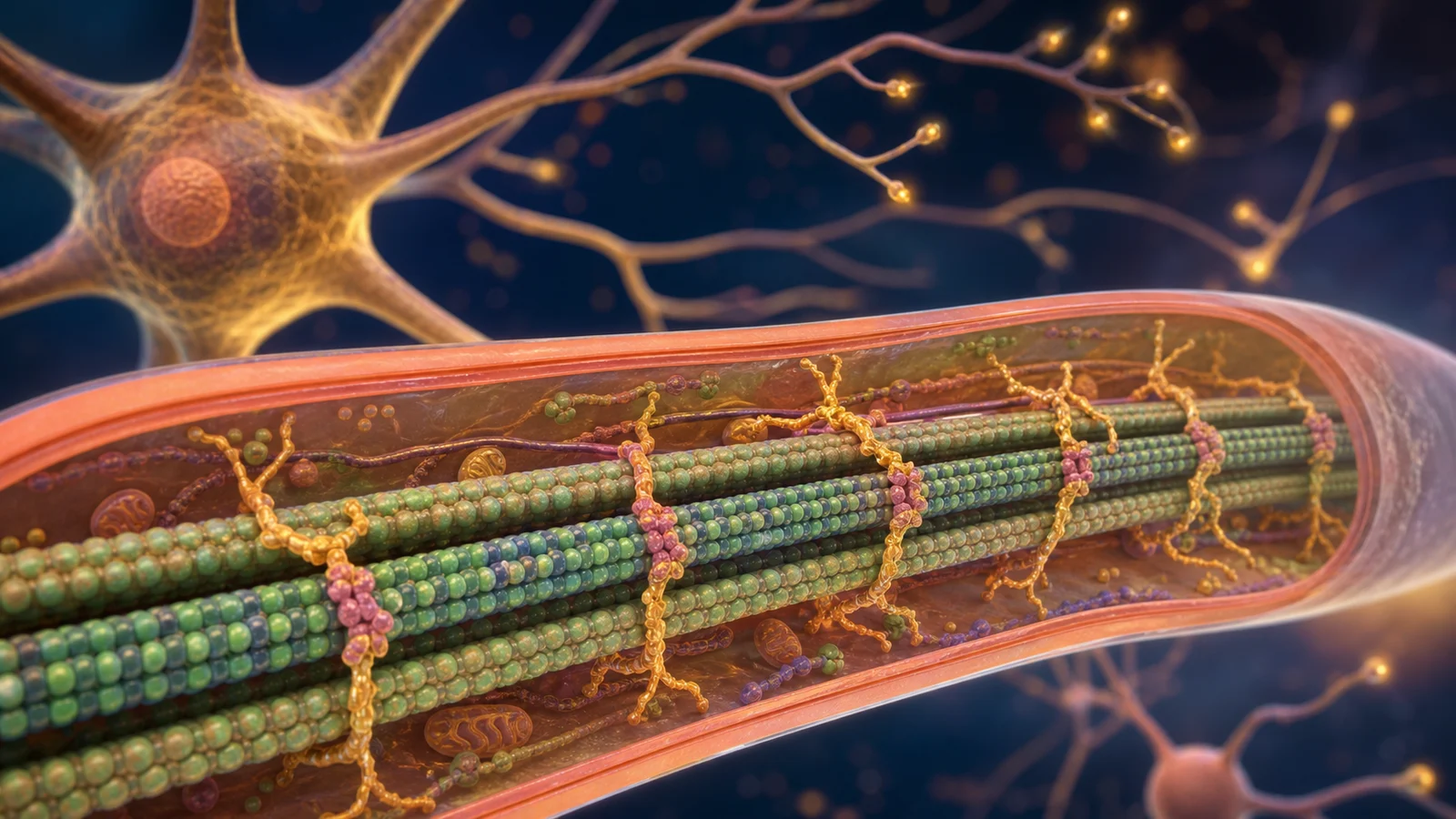
Tau often enters public conversation as a tangle, but that is only the dramatic end of the story. In healthy neurons, tau helps stabilize microtubules, the internal tracks that allow materials to move through long nerve-cell branches. Neurons are shaped like living logistics systems. They need transport. They need timing. They need communication.
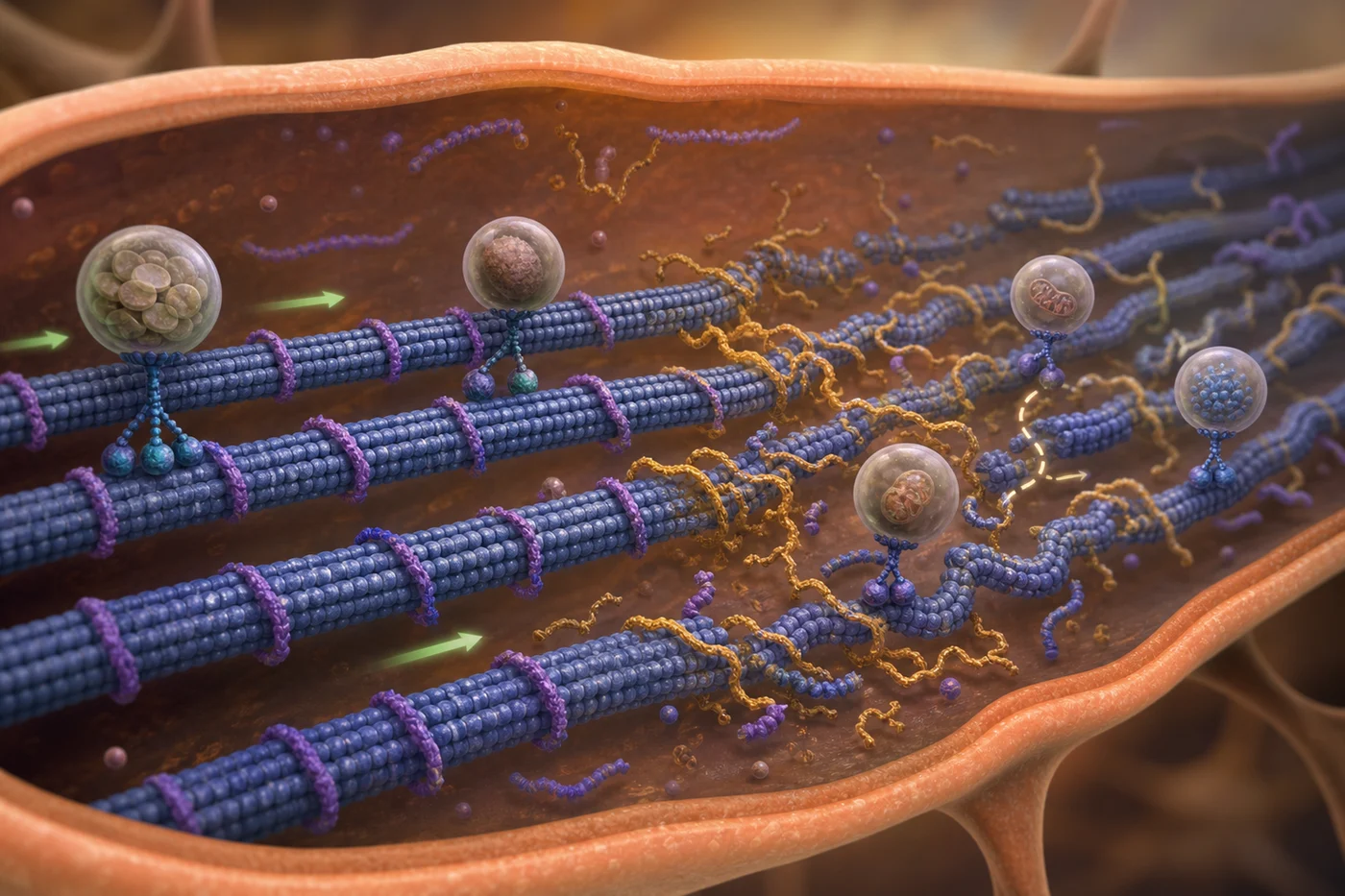
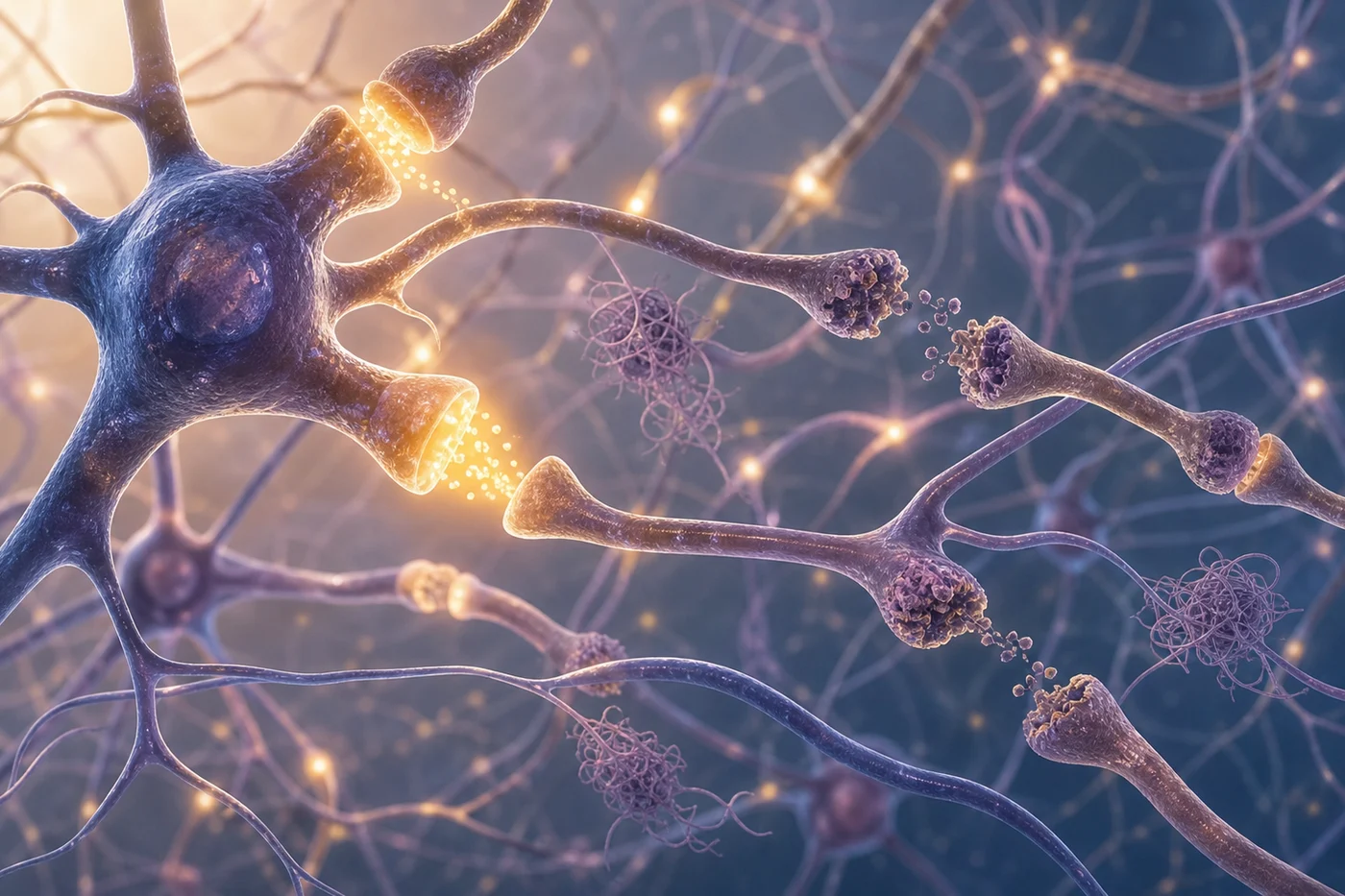
In Alzheimer’s disease and related tauopathies, tau can become abnormally phosphorylated, detach from microtubules, misfold, and collect in ways that interfere with neuronal function. But researchers now pay attention to much more than the final tangle. Soluble tau species, small aggregates, synaptic stress, and tau movement between cells may all matter before a microscope shows a classic neurofibrillary tangle.
Beyond the Tangle
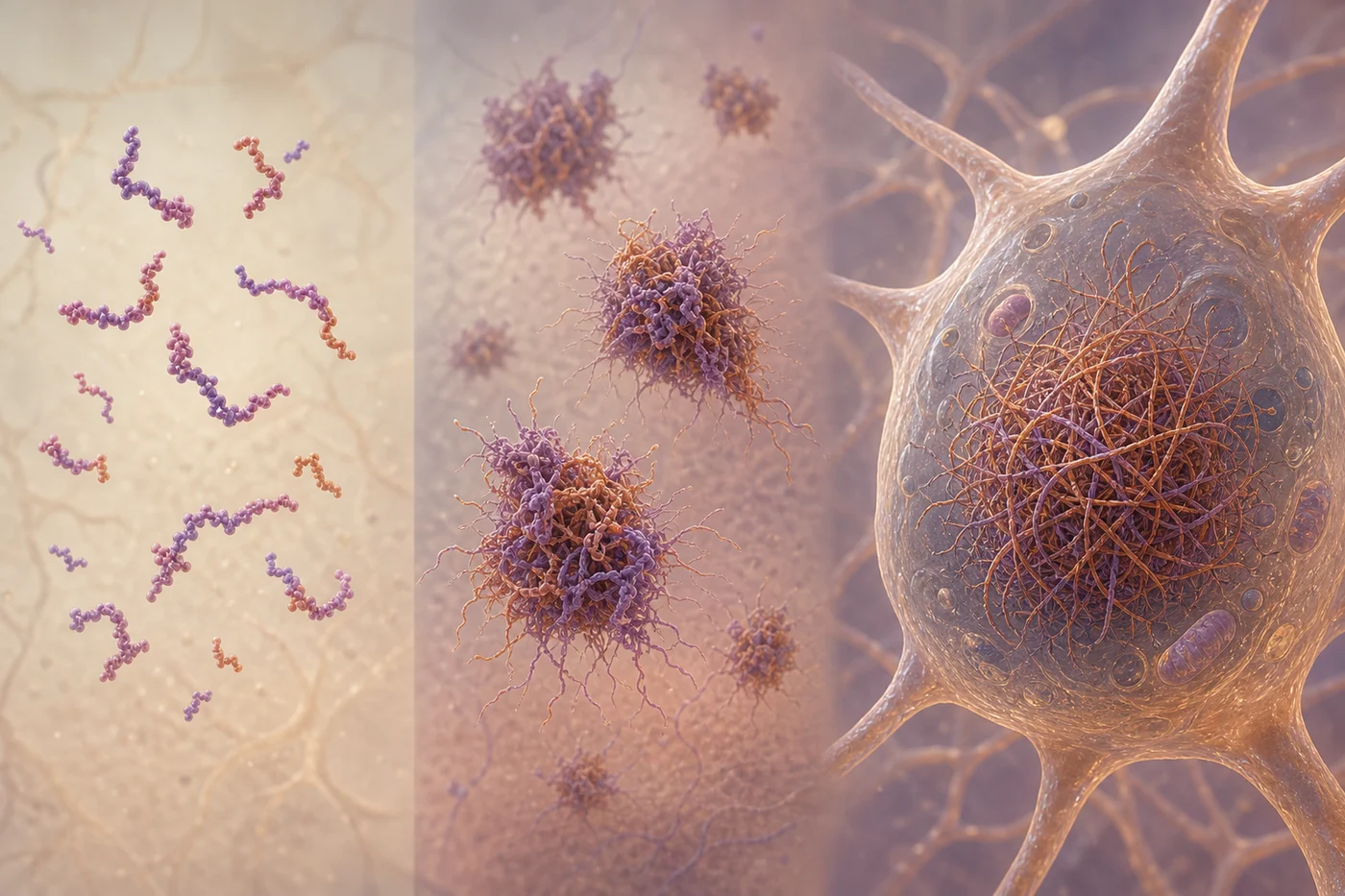
A useful way to think about tau is to imagine stages of disorder rather than one object. There may be altered tau inside neurons, extracellular tau signals, small aggregates, and larger deposits. A Neuron review helped frame the idea that tau pathology can spread through connected brain networks. That spread is not magic. It reflects biology: secretion, uptake, transport, vulnerability, and local cell response.
This is one reason tau research pairs naturally with tau PET imaging. If tau burden maps more closely to symptoms than amyloid burden in many people, then understanding tau’s movement becomes central to understanding the lived disease.
Where Microglia Enter the Story
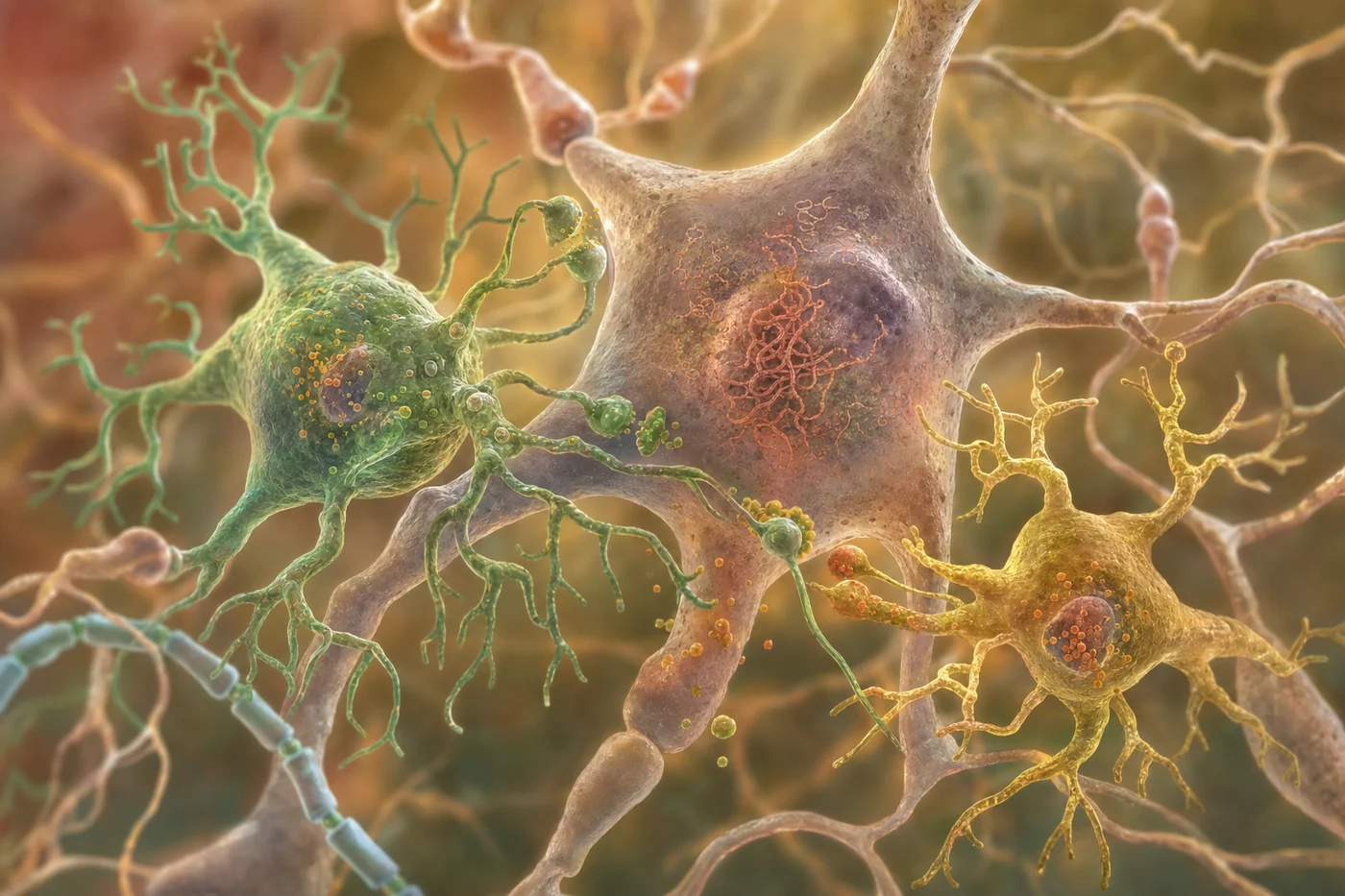
Microglia are the brain’s resident immune cells. They survey tissue, respond to injury, clear debris, shape synapses, and send inflammatory signals when needed. In Alzheimer’s research, they are not simply “good” or “bad.” A microglial response can be protective in one context and harmful in another, depending on disease stage, genetic background, and the surrounding tissue environment.
In a Nature Neuroscience study, researchers connected microglia to tau propagation in model systems. Another Nature Neuroscience paper linked microglia, APOE, and tau-mediated neurodegeneration. These studies do not mean that blocking all inflammation is the answer. They mean that immune-cell behavior may help determine whether tau stress stays local, spreads, or becomes more damaging.
Why Anti-Tau Treatments Are Difficult
If tau is central, why not simply remove it? The challenge is that tau exists in many forms and locations. Some tau is normal and necessary. Some altered tau may be inside cells where antibodies have limited access. Some downstream damage may continue even after a specific tau species is targeted. Human trials such as the semorinemab study show why anti-tau therapy is scientifically logical but clinically difficult.
The honest lesson is not failure. It is refinement. Researchers need better staging, better biomarkers, better target selection, and better ways to know which person is likely to benefit at which moment.
What This Means for Readers
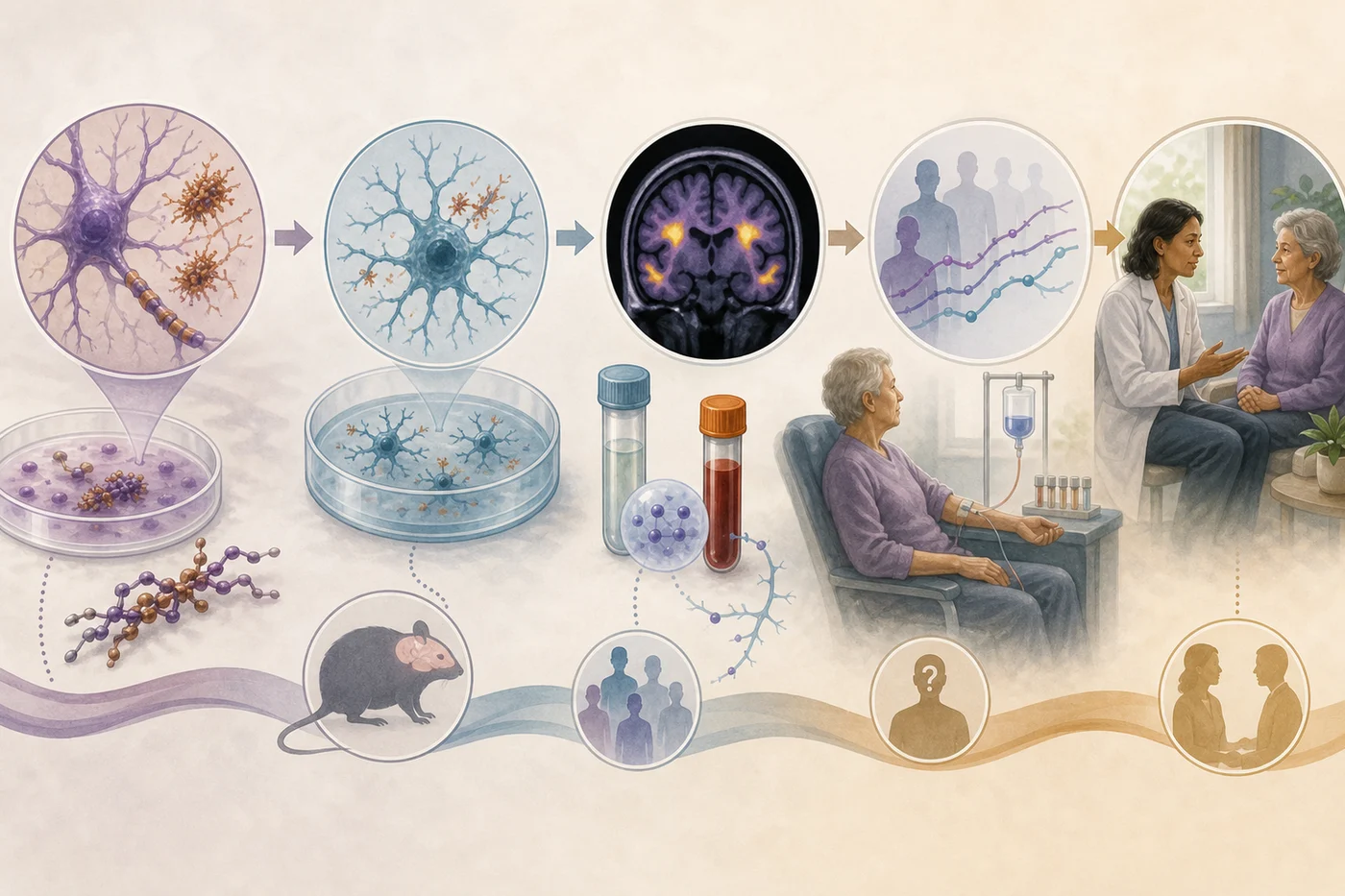
For a family member reading about Alzheimer’s, tau can feel like an intimidating word. But the big idea is simple enough: memory problems are tied to living circuits under stress, and tau is one way researchers can follow that stress. Brain immune cells add another layer. They are part of the conversation happening around neurons.
That is why our research series links amyloid, glial cells, human cell models, and everyday health tools. Alzheimer’s disease is not one pathway. The science is becoming richer because it is becoming more honest about that complexity.