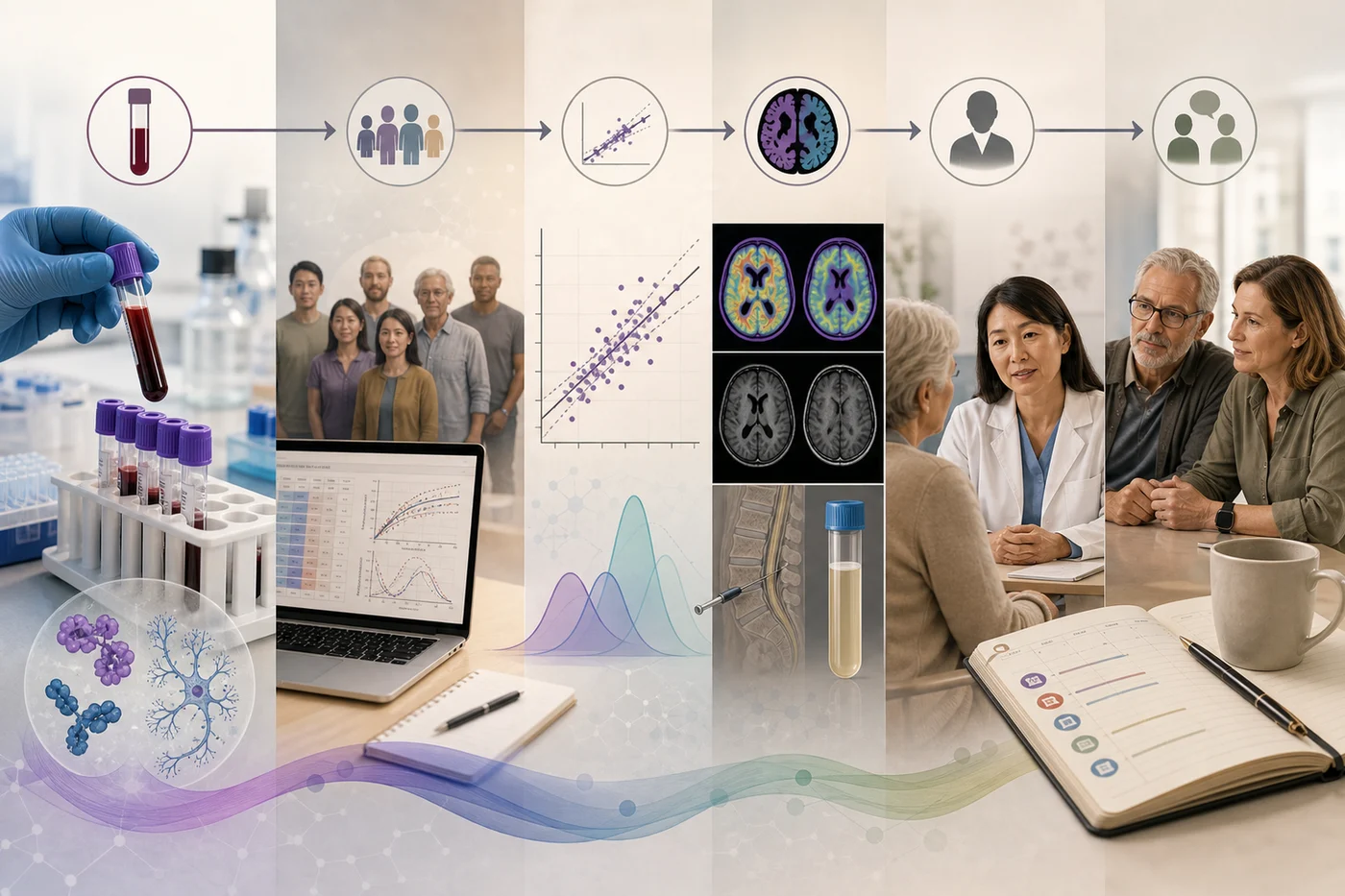
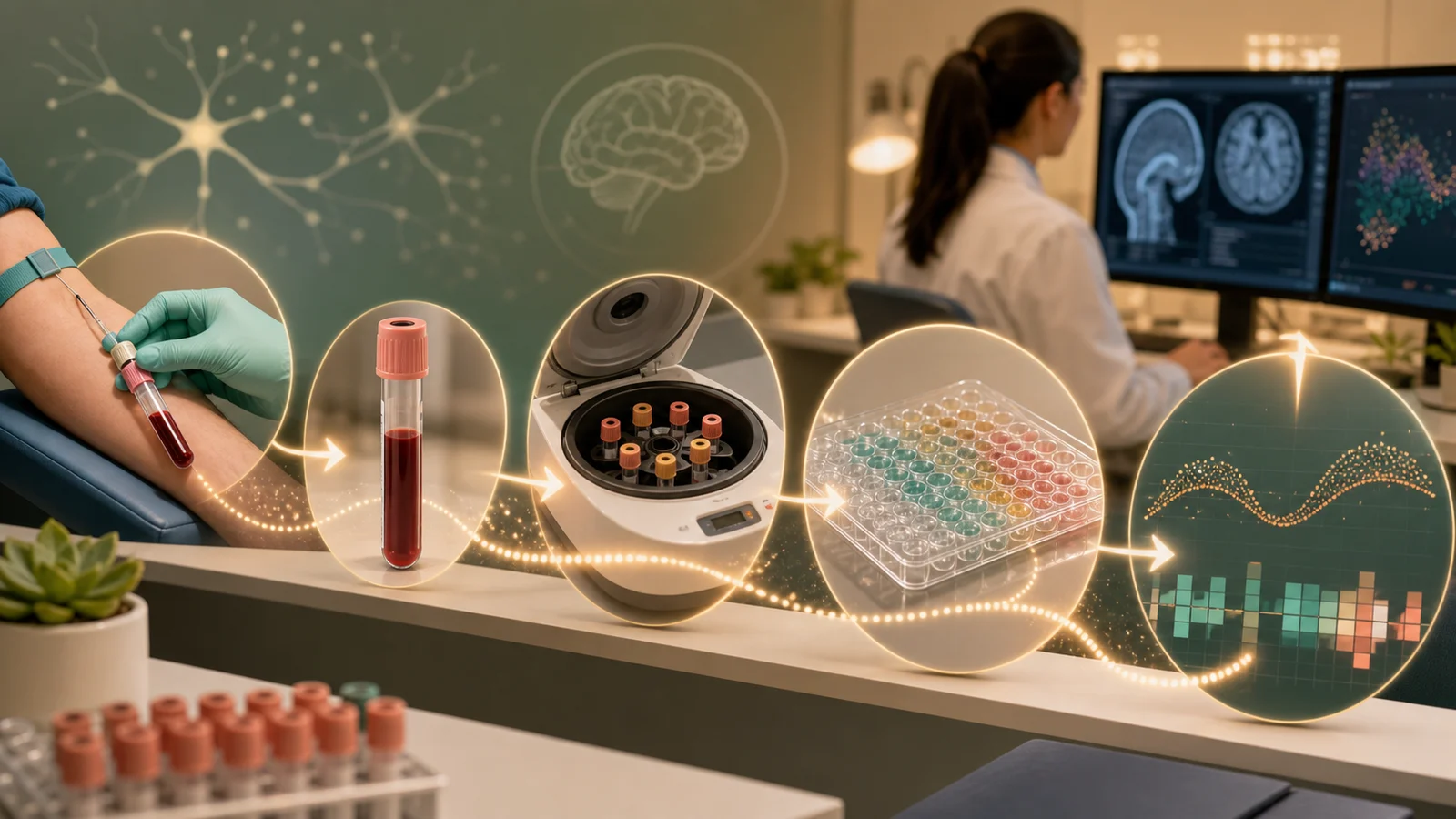
Why a Blood Test Sounds Simple, and Why the Science Is Not Simple Yet
A blood test for Alzheimer’s disease is one of those ideas that immediately makes sense to families. A blood draw is familiar. It is cheaper and easier than a brain scan. It is far less invasive than collecting cerebrospinal fluid. If a reliable blood marker could help doctors understand Alzheimer’s biology earlier, it could change research enrollment, specialist referral, and eventually everyday care.
But as of May 14, 2025, the honest story is not “one tube of blood diagnoses Alzheimer’s.” The stronger story is that blood-based biomarkers are becoming useful biological clues. A major JAMA study and other translational work suggest that certain blood tests can perform well when compared with amyloid or tau pathology, especially in people already being evaluated for cognitive symptoms. That is exciting. It is also different from using a blood test as a casual screening tool for anyone who is worried after misplacing keys.
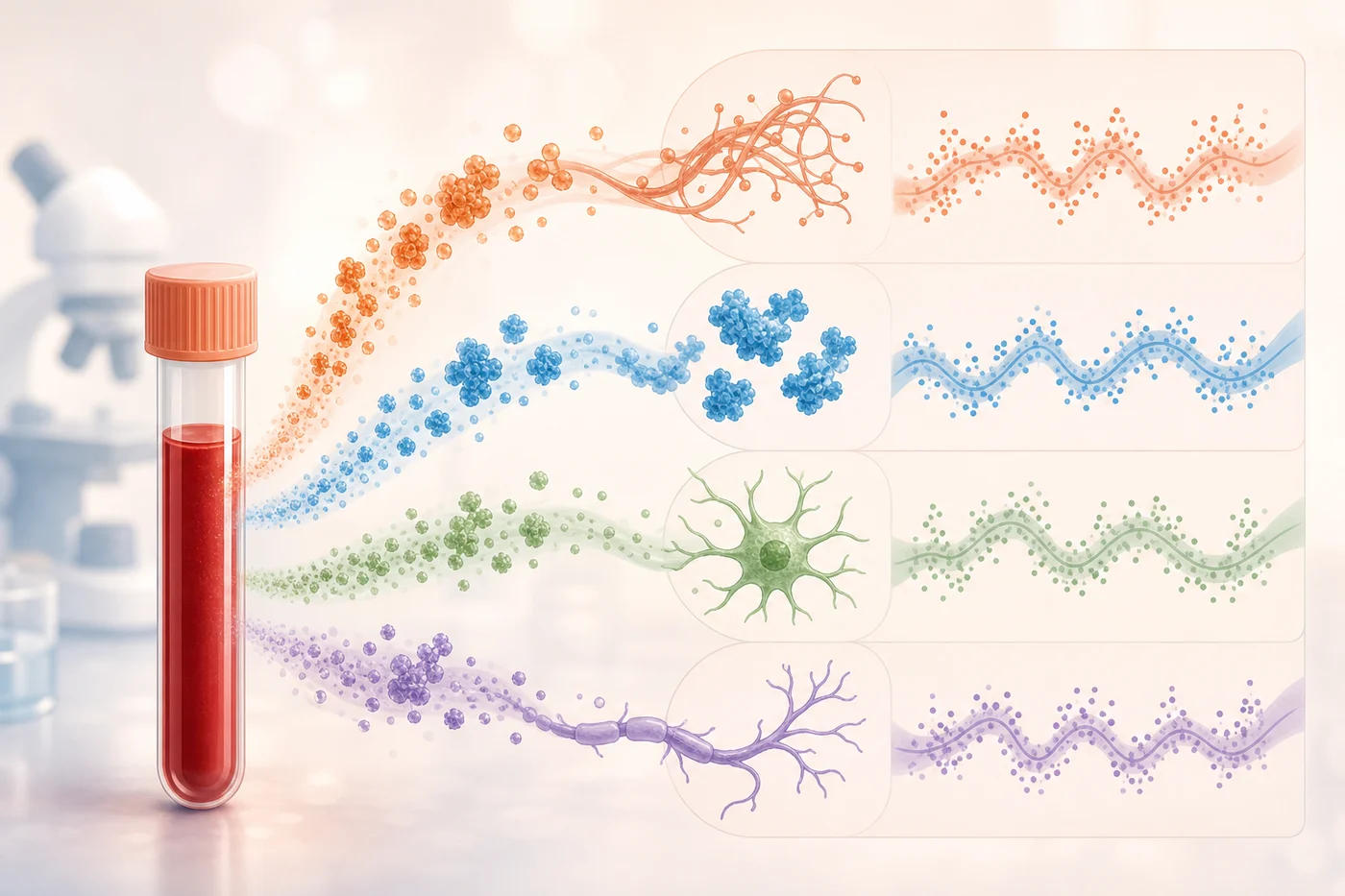
The Signals Researchers Are Watching
The most discussed blood markers include phosphorylated tau forms such as p-tau217 and p-tau181, amyloid-beta ratios such as Aβ42/Aβ40, glial fibrillary acidic protein, often called GFAP, and neurofilament light, or NfL. Each one hints at a different part of brain biology. Tau-related markers can track Alzheimer’s-type tau changes; amyloid ratios can suggest amyloid plaque biology; GFAP can reflect astrocyte reactivity; and NfL can rise when nerve fibers are under injury or stress.
That does not mean the markers are interchangeable. A Nature Medicine paper on plasma p-tau217 helped show why one marker may be especially informative in certain clinical settings, while appropriate-use recommendations have stressed that blood biomarkers should be used thoughtfully. The goal is not to replace thinking. The goal is to add measurable biology to a careful evaluation.
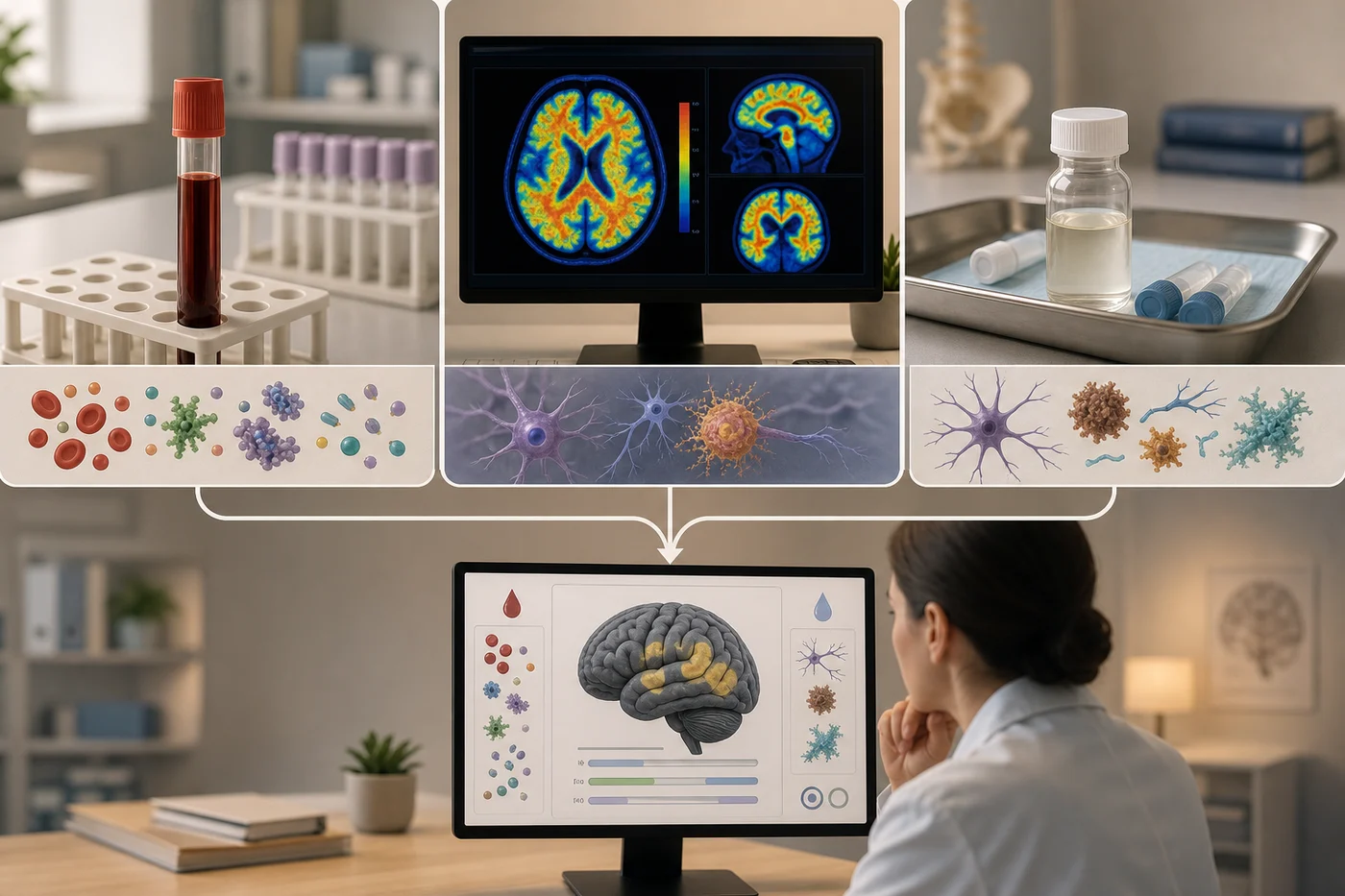
Blood, PET, and Spinal Fluid Are Answering Related Questions
For years, Alzheimer’s biomarker confirmation has leaned on amyloid PET imaging, tau PET imaging, or cerebrospinal fluid measures. These tools can be powerful, but they are expensive, unevenly available, and sometimes hard for patients to complete. Blood biomarkers could help decide who needs more specialized testing or who might qualify for a research study. That could matter deeply for access.
Still, a blood result should not float alone. A person’s memory changes, daily function, medications, sleep, depression, vascular health, diabetes status, kidney function, and family context all matter. This is why our related pieces on amyloid plaques, tau imaging, and prevention education belong in the same conversation.

False Positives, False Negatives, and Medical Context
Every test has edges. If a blood test is used in a group where Alzheimer’s pathology is unlikely, even a strong test can create false alarms. If it is used in people with complex medical conditions, interpretation can become harder. Kidney function is one example. A JAMA Neurology study reported that chronic kidney disease can affect some plasma tau measures, which is exactly the kind of detail that matters when a lab result enters real life.
This is not a reason to dismiss blood biomarkers. It is a reason to build the system around them carefully. Reference ranges, assay quality, follow-up pathways, and communication all need to mature alongside the science. A future blood test should help families understand the next step, not leave them staring at a scary number without context.

What This Could Mean for Mindful Diabetes Readers
For our community, the practical message is balance. Brain health is connected to vascular health, metabolic health, sleep, movement, and inflammation, but no single blood marker captures the whole person. If you are thinking about risk, start with the basics that support both body and brain: regular care, blood pressure and glucose awareness, activity that fits your life, hydration, sleep, and conversations with clinicians when symptoms appear. Our Health Tools Hub, summer walking and hydration guide, and sleep article are written in that spirit.
The research is moving fast, but the humane use of the research has to move just as carefully. Blood biomarkers may help us see Alzheimer’s biology earlier. They should not make anyone feel reduced to a lab value.