

Sleep Is a Pattern, Not Just a Number
When people ask whether sleep affects dementia risk, the conversation often jumps straight to hours. Seven hours sounds good. Five hours sounds bad. Ten hours sounds concerning. Those numbers can be useful, but they are only the beginning. Sleep is also about timing, regularity, breathing, depth, daytime sleepiness, and whether the body is actually recovering.
Research published before July 11, 2025 suggests that sleep and dementia risk are connected in several ways, but the relationship is not a clean one-way arrow. In the Whitehall II cohort, shorter sleep duration in midlife and later life was associated with higher dementia risk. That does not prove that one bad week of sleep causes dementia. It suggests that long-term patterns of rest may reflect or influence brain health over time.
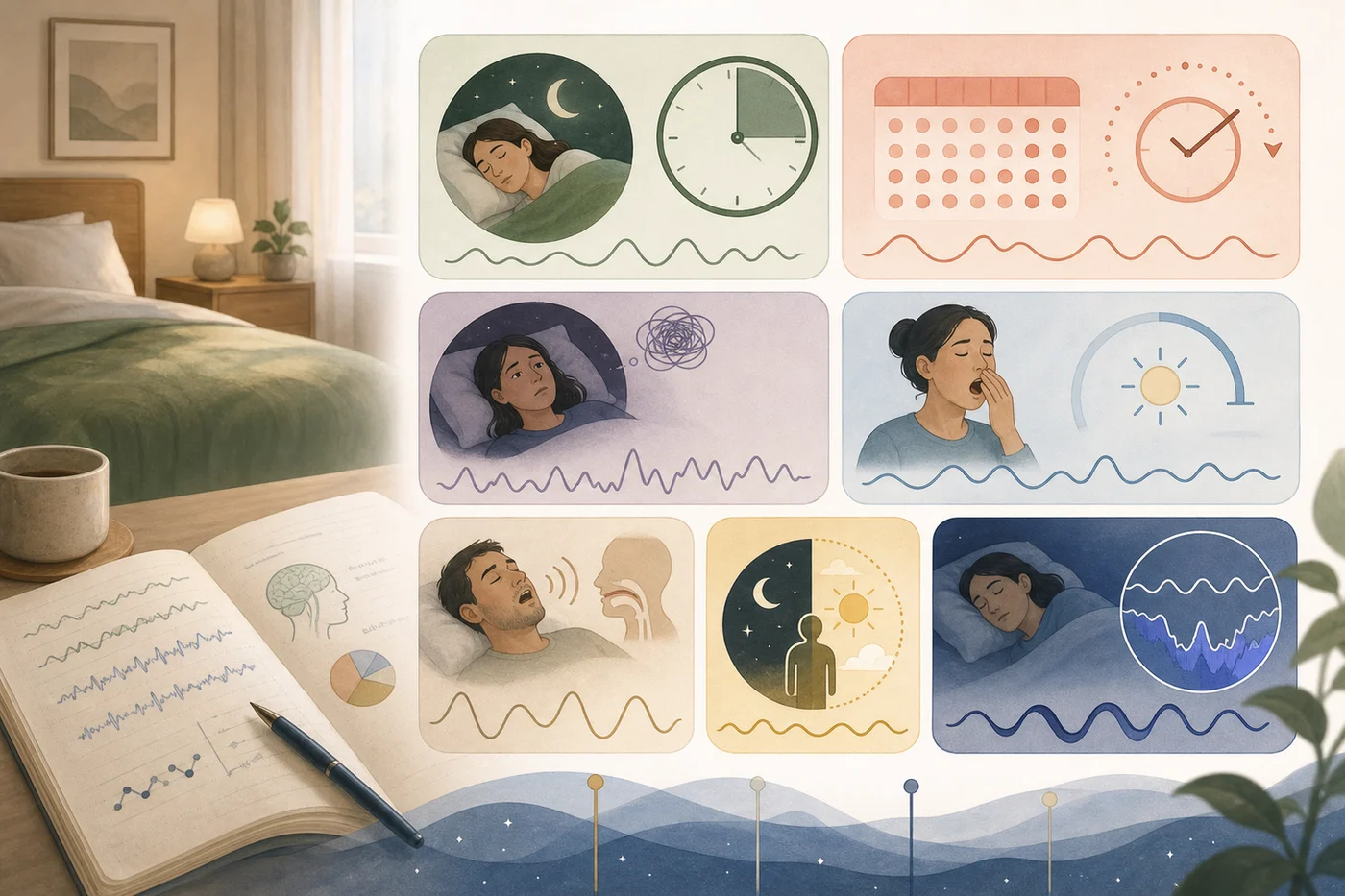
Regularity May Matter Alongside Duration
A person who sleeps from 10:30 p.m. to 6:30 a.m. most nights may be giving the body a more predictable rhythm than someone who alternates between very short nights and very long catch-up nights. Circadian rhythms help organize hormone signaling, metabolism, inflammation, blood pressure, and brain activity. A JAMA Network Open study added to the idea that sleep regularity may carry information about later dementia risk.
This matters for readers managing diabetes or insulin resistance because sleep is tied to glucose regulation and appetite signaling. A poor night can make the next day’s choices harder. A disrupted schedule can make the body feel like it is always catching up. Our walking and hydration guide and Mindful Diabetes guide both come back to this same theme: health is often built through repeated rhythms, not heroic resets.
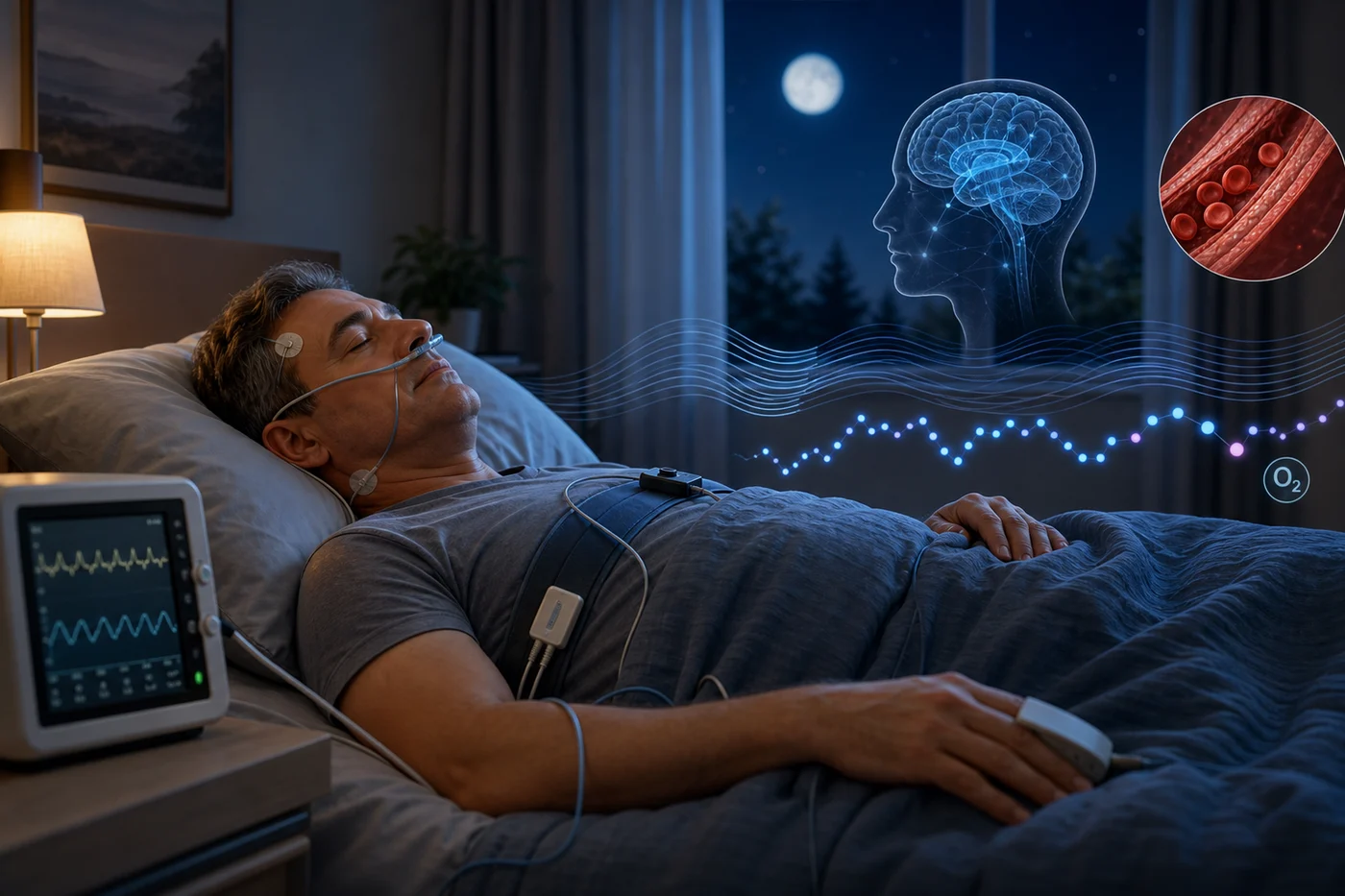
Breathing at Night Is Part of Brain Health
Snoring is sometimes treated like a joke, but loud snoring, pauses in breathing, gasping, and daytime sleepiness can point toward sleep apnea. The National Heart, Lung, and Blood Institute describes sleep apnea as repeated breathing interruptions during sleep. Those interruptions can affect oxygen levels, blood pressure, inflammation, and cardiovascular strain.
That does not mean every person who snores is destined for dementia. It means nighttime breathing belongs in a serious health conversation, especially when someone also has hypertension, diabetes, obesity, morning headaches, or persistent daytime fatigue. Brain health is not separate from vascular health. It never has been.

Reverse Causation Is the Tricky Part
One reason sleep research is hard is reverse causation. Early brain changes may disturb sleep years before a formal diagnosis. A person may sleep longer because the brain is already under strain, or sleep less because circadian systems are changing. Observational studies can show patterns, but they cannot always tell us which factor came first.
This is why the best interpretation is careful. Sleep is a modifiable health behavior, and improving sleep can support mood, energy, glucose management, and quality of life. But it should not be sold as a guaranteed dementia-prevention treatment. The 2024 Lancet Commission on dementia prevention highlights many modifiable risks across life, reminding us that prevention is layered and social, not just individual willpower.

A Practical Takeaway
For most people, the helpful question is not “Did I sleep perfectly?” It is “What pattern is my body living inside?” A consistent wake time, morning light, daytime movement, less late caffeine, attention to sleep apnea symptoms, and a calm evening routine can all support the systems that support the brain. If symptoms are serious, medical evaluation matters.
Sleep is one of the places where mindful health becomes very concrete. The body asks for rhythm. The brain listens.